Simple machines: small push, big job.
The six classical simple machines, the lever, the wheel and axle, the pulley, the inclined plane, the wedge and the screw, explained plainly. Why a long handle helps, why a ramp is easier but longer, what Archimedes probably didn’t say, and experiments you can do at the kitchen table. Every fact is linked to its source.
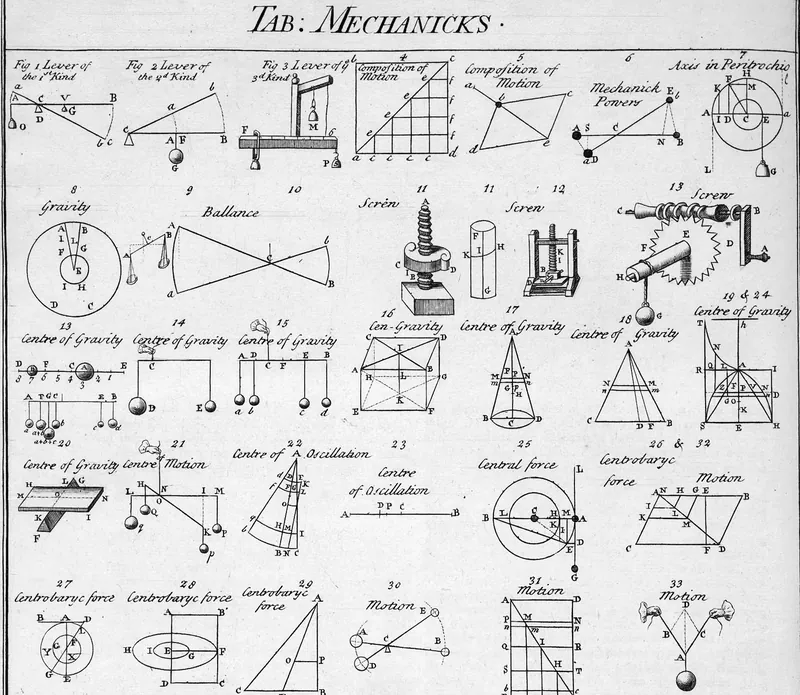
The short version
A simple machine is a device with few or no moving parts that changes the size or direction of a force so that a job gets done. Britannica
Britannica lists six simple machines: the inclined plane, the lever, the wedge, the wheel and axle, the pulley and the screw. Britannica
Machines multiply force at the expense of distance: you push with less force, but over a longer distance. OpenStax
A machine cannot do more work than the energy put into it, so energy is still conserved. OpenStax
That is the whole trick, and the catch: a machine can make a job feel easier, but it never makes it smaller. You trade force for distance. Sources don’t even agree on which machines make the list, so where they differ we show each version side by side.
Explore
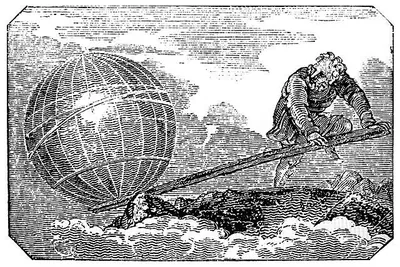 LeversThree classes, one fulcrum.
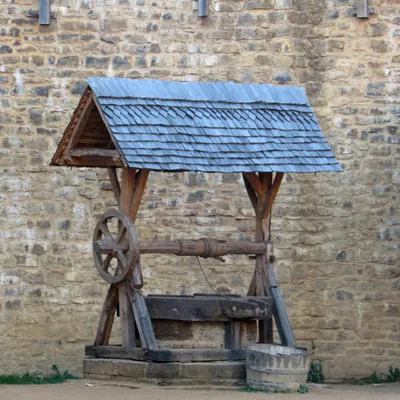 Wheel and axleFrom wells to doorknobs.
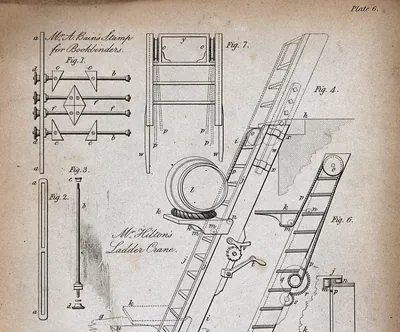 PulleysCount the ropes.
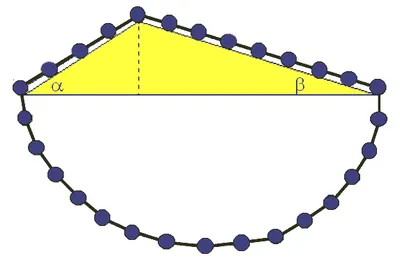 Inclined planeLess force, longer way.
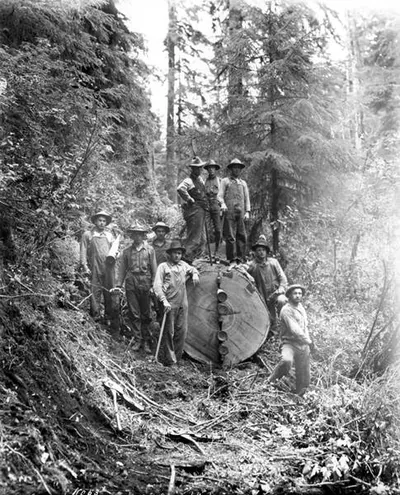 WedgeSplitting logs and zips.
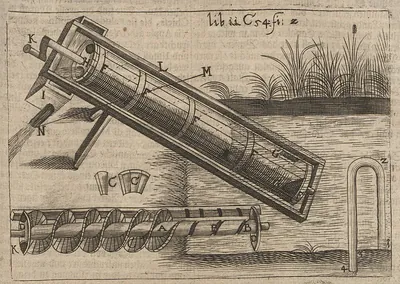 ScrewA ramp wrapped round a rod.
Tile pictures are credited on their pages and on the credits page.
Play with it
A lever calculator with a seesaw that tips, a spot-the-machine challenge with things from around the house, a 12-question quiz and a myth-or-fact round.
More from the family: engines that turn heat into work are at steam.mechanics.im, and every machine site is listed at mechanics.im.